
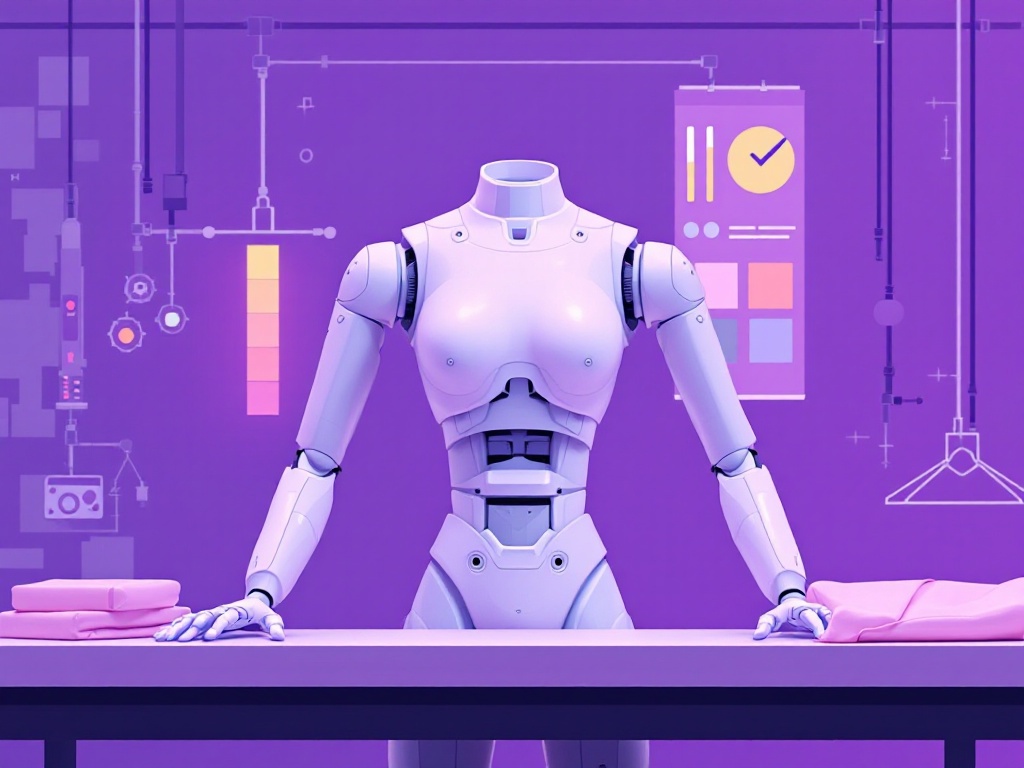
AI Robots Transform Fashion Manufacturing Speed
Automation reaches milestone as AI-powered robots process thousands of garments hourly in fashion industry
AI fashion automation
The Fashion Industry’s Automation Breakthrough
The fashion industry has long resisted automation in ways that other manufacturing sectors embraced decades ago. Unlike automotive plants or electronics factories, clothing production has remained stubbornly labor-intensive. That’s changing fast.
AI-powered robots are now processing 3,500 garments per hour—a speed that would have seemed impossible just a few years ago. This isn’t just about raw numbers; it represents a fundamental shift in how clothes get made.
What Makes This Different?
Fashion manufacturing presented unique challenges that held back automation. Fabrics are unpredictable, garment designs vary constantly, and quality control requires nuanced judgment. Traditional robots couldn’t handle these variables effectively.
Modern AI systems use computer vision and machine learning to adapt in real-time. They can handle different fabric types, adjust to design variations, and catch defects that would slip past conventional quality checks.
Speed Meets Efficiency
At 3,500 garments per hour, these robots are reshaping production timelines. What previously took days now takes hours. For Canadian retailers and fashion companies, this means faster inventory turnover and reduced production costs.
The ripple effects extend beyond speed. Manufacturers can now respond more quickly to trends, reduce overproduction waste, and potentially bring more production closer to home markets.
What This Means for Canada
Canadian fashion brands and retailers are watching this closely. While labor costs have driven manufacturing offshore for decades, automation could make local production economically viable again.
Tech professionals in Canada should note that these systems require skilled workers to program, maintain, and oversee operations. The job market may shift, but opportunities in AI implementation within fashion are expanding.
The Bigger Picture
This breakthrough signals that no industry is truly immune to AI disruption. Fashion’s resistance to automation has finally crumbled, and that has implications across supply chains and employment.
For Canadian software developers and AI specialists, fashion manufacturing represents a fresh frontier. The industry needs people who can build, improve, and deploy these intelligent systems at scale.