
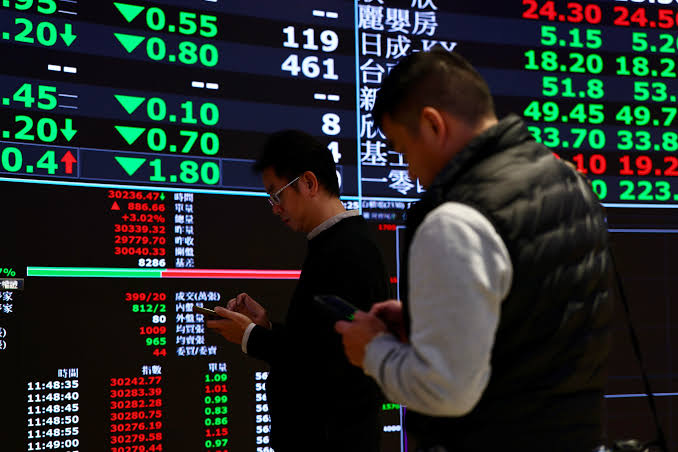
Asia stocks rise on tech demand and AI momentum
Asian markets surge as artificial intelligence applications drive investor confidence higher. Oil remains stable amid subdued trading activity across global energy markets.
Asia stocks tech wave
The AI App Revolution Fueling Asia’s Stock Market Surge
Consumer enthusiasm for artificial intelligence applications has become the unexpected engine driving Asian stock markets higher. Over the past week, major exchanges across the region have experienced a sustained rally, with technology stocks leading the charge. This momentum reflects a fundamental shift in how investors perceive AI-powered apps and their potential to reshape daily digital experiences.
The catalyst isn’t just speculation about future possibilities. Real user adoption of AI tools is accelerating across Asia, from productivity apps to creative platforms and intelligent assistants. Companies building these applications have seen tangible increases in download numbers and engagement metrics, signaling genuine market demand rather than hype-driven trading.
What’s Driving the Asia Stocks Tech Wave Right Now
Several factors are converging to create this perfect storm for tech stocks. First, major app developers across the region have released new AI-powered features that users actually want to use. Unlike earlier waves of AI integration, these tools solve real problems—from better photo editing to smarter scheduling to more natural language processing.
Second, international investors are taking notice. Capital flowing into Asian tech stocks from global funds has accelerated as these companies demonstrate profitability alongside user growth. The narrative has shifted from “companies investing heavily in AI” to “companies generating revenue from AI,” which changes valuations dramatically.
Third, consumer spending patterns in major Asian markets like South Korea, Japan, and Singapore show people willingly paying for premium AI features. App Store and Google Play data from these regions reveal stronger conversion rates for AI-powered subscription tiers compared to traditional app offerings.
Key Tech Sectors Benefiting from Market Confidence
Mobile app developers and software companies represent the largest beneficiaries. Companies creating productivity applications, creative tools, and business software have seen stock prices climb as investors bet on expanding user bases and higher average revenue per user through AI features.
Gaming studios have also found unexpected momentum. AI-powered game development tools and in-game AI features are attracting both developers and players. Apps that use machine learning for personalized gameplay experiences or dynamic content generation are seeing improved retention metrics.
Meanwhile, infrastructure providers—companies building the backend systems that power these AI apps—have maintained steady gains. Data centers and cloud computing platforms across Asia are experiencing increased demand as app developers scale their AI services.
Understanding Oil’s Subdued Performance Amid Tech Gains
While technology stocks climb, energy markets tell a different story. Oil prices have remained relatively flat, suggesting investors see mixed signals about global economic growth. Traditional economic indicators like energy demand can lag behind tech-driven enthusiasm.
This disconnect isn’t unusual during periods of sectoral rotation. Money flowing into high-growth tech stocks often comes from traditional sectors, including energy. Investors aren’t necessarily bearish on oil—they’re simply allocating capital where growth prospects appear strongest right now.
Geopolitical factors and production levels play their usual roles, but the headlines aren’t creating the supply shocks that typically spike oil prices. Demand concerns also persist as some economists question whether global growth will remain robust through the next quarter.
What Investors Should Watch Going Forward
The sustainability of Asia’s tech rally depends on several factors. User acquisition costs must remain manageable for app developers, or profitability gains will evaporate despite strong revenue growth. Watch for quarterly earnings reports from major app companies to see if AI monetization strategies are actually working or if adoption is outpacing revenue growth.
Second, keep an eye on regulatory developments. Governments across Asia are beginning to scrutinize AI applications more closely. New regulations around data privacy, algorithmic transparency, or AI training methods could increase compliance costs for app developers and potentially slow expansion plans.
Third, competition is intensifying. Larger technology companies are entering AI app markets with significant resources, which could compress margins for smaller players. The stocks that surge tomorrow will likely be those offering differentiation beyond basic AI features.
Practical Steps for Following These Market Trends
If you’re curious about which apps are driving this market momentum, start by exploring your device’s app store and looking at trending sections for AI-powered tools. Download a few top-rated apps in productivity, creative, or business categories to experience firsthand what users are embracing. This beats reading analyst reports for understanding real market demand.
For investors, financial news platforms tracking Asian stock indices like the Nikkei 225, Hang Seng, or Kospi will show you real-time performance data. Most platforms allow you to filter by sector, so you can compare tech stock performance against oil and energy sectors directly.
Subscribe to earnings call transcripts from major app companies and software firms. These quarterly reports provide concrete data about user growth, retention, and how much revenue AI features contribute to total earnings. This information helps separate genuine trends from temporary market enthusiasm.
Common Questions About AI Apps and Market Impact
Why are AI apps specifically driving stock prices rather than other tech innovations? AI apps deliver measurable, immediate improvements to user experience that people can feel in their daily routines. This translates to faster adoption compared to abstract technological advances, which gives investors confidence in growth projections.
Should I invest in Asian tech stocks if I’m concerned about AI regulation? Regulatory risk is real, but it’s already partially priced into current valuations for most large companies. Smaller app developers carry higher risk, but established tech firms have resources to adapt to new regulatory environments. Review each company’s regulatory exposure before investing.
Are these apps available globally or mainly in Asia? Most major AI apps are distributed globally through the Apple App Store and Google Play, but they’re developed and headquartered in Asia. Some premium features or beta versions launch first in Asian markets due to higher early adoption rates, but distribution is worldwide for popular titles.
Watch closely as these trends develop. The next few quarterly earnings reports from major app developers will reveal whether this market enthusiasm reflects genuine business momentum or temporary investor excitement. Downloaded one of these trending AI apps yet? The user experience might tell you more about market direction than any analyst report.