AI-Powered English Fluency App Glite Launches Globally
Glite’s new AI tutoring app targets non-native English learners worldwide with smart conversation practice and personalized feedback to boost confidence and fluency rapidly.
AI-powered English tutoring
How AI-Powered English Tutoring Is Reshaping Language Learning
Over one billion people worldwide are learning English as a non-native language, yet most struggle with the same problem: finding real-time, personalized feedback outside a classroom. Glite, a new edtech startup, is tackling this challenge head-on with an AI-powered tutoring app designed specifically for English language learners who want to build genuine fluency rather than just memorize grammar rules.
The gap between traditional learning methods and what modern learners need has never been wider. Apps like Glite represent a shift away from rote memorization toward conversational confidence and practical communication skills.
Understanding Glite’s AI-Powered Approach to Fluency
At its core, Glite uses artificial intelligence to deliver one-on-one tutoring experiences at scale. Rather than waiting for a human tutor’s availability, learners can practice English conversations whenever they want, receiving instant feedback on pronunciation, grammar, and word choice.
The app’s AI engine adapts to each user’s proficiency level, whether they’re absolute beginners or advanced learners aiming for fluency. This personalization is crucial because cookie-cutter lessons often bore advanced learners while overwhelming beginners. Glite’s intelligent system adjusts difficulty in real time, keeping users in that productive “zone of proximal development” where learning happens most effectively.
The startup’s targeting of one billion non-native English learners globally isn’t hyperbole—it’s recognizing the genuine demand. English fluency directly impacts career prospects, educational opportunities, and social mobility in many regions. By making affordable, on-demand tutoring accessible through a mobile app, Glite is democratizing language education.
Key Features That Set Glite Apart for Building Confidence
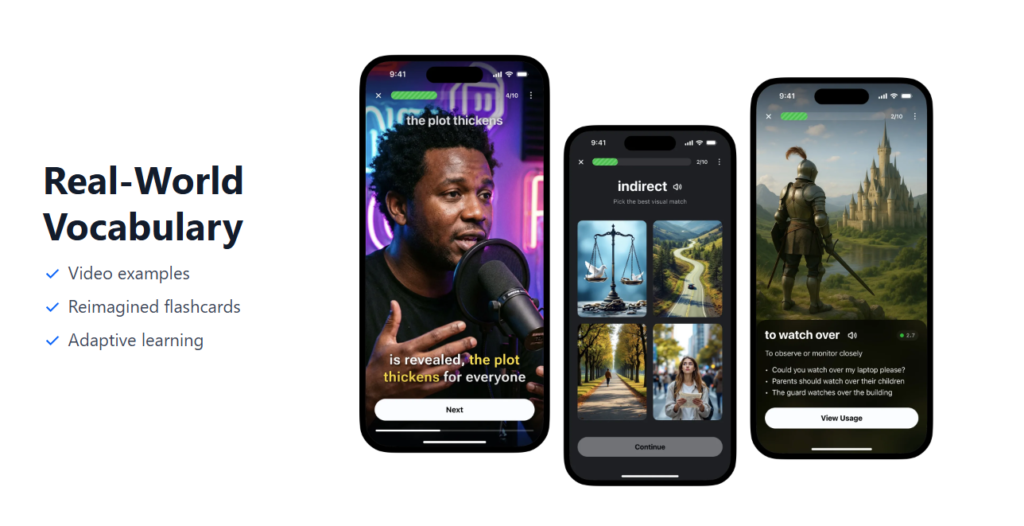
Several specific capabilities make Glite’s approach distinctive in a crowded edtech market. The app focuses heavily on conversational practice, which is where most traditional apps fall short. Users can engage in realistic dialogue scenarios rather than isolated vocabulary drills.
The confidence-building aspect is intentional. Many non-native speakers know grammar rules perfectly but freeze when actually speaking. Glite addresses this by creating a judgment-free environment where learners can make mistakes and learn from them immediately. The AI provides constructive feedback without the anxiety some people feel with human tutors.
- Real-time pronunciation analysis to correct accent and intonation
- Contextual conversation scenarios reflecting everyday situations
- Personalized progress tracking showing improvement over time
- Adaptive difficulty that adjusts based on performance
- Instant explanations for grammar mistakes within conversations
These features work together to create what Glite positions as a bridge between structured learning and natural fluency. Rather than treating English as a subject to memorize, the app frames it as a skill to practice.
The Market Opportunity for AI English Tutoring Apps
Glite’s launch arrives at a moment when the edtech sector is increasingly turning to AI for personalization. The global English language learning market has exploded, driven by globalization, remote work, and educational aspirations in developing nations. Yet most solutions remain expensive, inconvenient, or ineffective for casual learners.
What makes Glite’s timing particularly strategic is the maturity of large language models and speech recognition technology. These technologies now work well enough to provide genuinely useful tutoring feedback—something that wasn’t reliably possible even five years ago. The startup is capitalizing on infrastructure improvements that make affordable AI tutoring finally practical.
The one billion learner target also reflects demographic reality. English proficiency has become an economic necessity in many countries, but human tutors in these regions are scarce and expensive. An app-based solution can reach people in rural areas, developing countries, and anywhere offline access to quality instruction is limited.
Getting Started: What Prospective Users Should Know
If you’re interested in trying Glite, here’s what to check first. Confirm that the app is available on your device—most modern edtech apps launch on both iOS and Android simultaneously, though this isn’t guaranteed. Check your phone’s app store for “Glite” to see current availability in your region.
Consider your learning goals before diving in. Glite works best if you’re specifically focused on conversational fluency and real-world communication skills. If you need exam preparation (like TOEFL or IELTS), verify whether the app offers specialized modules before committing time.
Starting with a free trial or freemium tier is smart practice with any learning app. This lets you experience the AI’s teaching style and whether the conversational scenarios match your needs and interests. Give yourself at least a week of regular practice before deciding if the app fits your learning routine.
Common Questions About Glite and AI-Powered Language Learning
Is Glite free or paid? Most AI tutoring apps use a freemium model, offering limited lessons or practice sessions at no cost, with premium features requiring a subscription. Check the app store listing for current pricing tiers before downloading.
Will the AI tutor replace human teachers? No. AI tutoring works best as a supplement to traditional learning or as a practice tool between lessons. For specialized needs like exam prep or advanced professional English, human tutors remain valuable. Glite is designed for daily practice and confidence-building, not comprehensive education replacement.
How quickly will I see improvement in my fluency? Results depend on practice frequency and consistency. Most language apps show noticeable improvement in confidence within 2-4 weeks of regular use, with measurable fluency gains taking 3-6 months depending on starting level. The key is daily practice, even if only for 15-20 minutes.
What’s Next for Learners and the Edtech Landscape
Glite’s launch signals that AI-powered language tutoring has moved from experimental to mainstream. Expect more startups and established edtech companies to release similar offerings, each competing on personalization, speech quality, and learning outcomes.
For language learners, the practical takeaway is this: try Glite or similar apps to identify whether AI-driven conversational practice works for you. Download it, use it consistently for a few weeks, and notice whether your confidence and fluency in real English conversations improve. The app is designed to fit your schedule, not the other way around.
Keep an eye on app updates over the coming months. New AI-powered features often ship rapidly as startups iterate based on user feedback. If pronunciation feedback or conversation scenarios don’t feel quite right initially, an update might address your specific needs within weeks.