Dating App Scams: AI And Gig Workers
Romantic connections online come with hidden risks. Learn how scammers use AI chatbots and gig workers to deceive dating app users.
dating app scams
How Dating App Scams Use AI Chatbots and Gig Workers
Romance scams have evolved dramatically over the past few years, and the latest iteration involves a troubling combination of artificial intelligence and human deception. Scammers are no longer relying solely on fake profiles and stolen photos—they’re now deploying AI-powered chatbots alongside real gig workers to create sophisticated, multifaceted schemes that fool thousands of users on popular dating platforms.
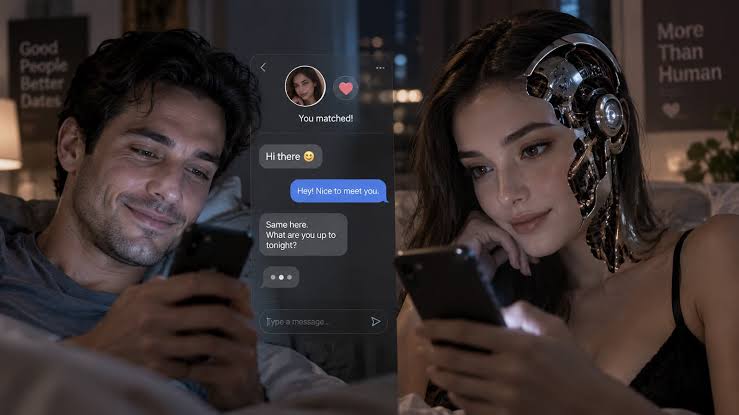
The mechanics are surprisingly simple yet devastatingly effective. A user matches with an attractive profile on their preferred dating app, engages in charming conversation, and gradually falls for someone who seems perfect. What they don’t realize is that they’re often interacting with an AI chatbot programmed to build emotional connection, while real gig workers handle sensitive tasks like video calls or in-person meetings when needed.
The Role of AI Chatbots in Romance Fraud
AI chatbots have become the workhorse of modern romance scams. These systems are trained to mimic human conversation patterns, remember personal details you share, and respond with appropriate emotional language. Unlike older bot systems, current AI technology can sustain lengthy conversations without obvious mechanical repetition or glaring logical errors.
The chatbots handle the bulk of communication, creating the illusion of a developing relationship over weeks or months. They learn what you’re interested in, mirror your communication style, and gradually build trust. This allows scammers to maintain hundreds or thousands of conversations simultaneously without hiring human operators for every interaction.
What makes this particularly insidious is that the AI component isn’t inherently obvious to the victim. Modern language models can generate contextually appropriate responses that feel natural, making it difficult for the average user to detect they’re not talking to a real person until significant emotional investment has occurred.
When Gig Workers Take Over the Scam
The real humans in this equation—gig workers hired through freelance platforms—step in when the chatbot reaches its limitations. If the victim requests a video call, demands to meet in person, or asks specific questions that require human judgment, a real person takes over the conversation.
These gig workers are often hired in countries with lower labor costs and may not fully understand they’re participating in fraud schemes. They’re given scripts, instructed on what to say during video calls, and coached on how to build further emotional connection. Some workers use deepfake technology or fake video feeds to appear convincingly human during calls.
The transition from bot to human is deliberately seamless. The gig worker picks up exactly where the chatbot left off, maintaining continuity in the conversation and emotional narrative. This is where the scam intensifies—the human element makes everything feel more real, more intimate, and ultimately more convincing.
Financial Exploitation and Common Scam Tactics
Once emotional connection is established, the financial exploitation begins. The “person” you’ve been talking to suddenly faces a crisis—a medical emergency, a business problem, a visa issue, or travel expenses. They appeal to your newfound affection and ask for money.
Victims are typically directed to transfer funds through wire services, cryptocurrency, or gift cards—methods difficult to reverse. The amounts start small to test if the victim will send money, then escalate rapidly. Some scammers request hundreds or even thousands of dollars before the victim realizes they’ve been deceived.
Dating app scams targeting thousands of users have stolen millions collectively. The concerning part is how credible the entire experience feels. The photos, the conversations, the emotional beats—everything is carefully orchestrated to bypass normal skepticism.
Red Flags Every Dating App User Should Know
Recognizing warning signs can help protect you from these schemes. Be wary if your match moves conversations off the dating app to text or messaging apps within the first few days—legitimate users typically don’t rush this transition.
Another major red flag is hesitation around video calls. Scammers using gig workers or deepfake technology may make excuses about poor camera quality, software issues, or unstable internet. Similarly, if someone you’ve been talking to for weeks never suggests meeting in person or always has reasons why they can’t, that’s worth examining carefully.
Payment requests are the ultimate warning. No legitimate romantic interest will ask you for money, especially early in the relationship. This includes requests framed as loans, emergency help, or investments. Real people you’ve matched with should be self-sufficient and able to handle their own expenses.
- Avoid sending money to anyone you’ve only met online, regardless of how real the connection feels
- Never share personal information like your address, workplace, or family details until you’ve met in person multiple times
- Use reverse image searches on profile photos to check if they’ve been stolen from elsewhere online
- Be suspicious of profiles with only one or two photos, especially if they’re professional headshots
- Trust your instincts if something feels off or if the person seems too perfect
What Dating App Companies Are Doing (And What They Should Do)
Major dating platforms have implemented some safeguards, including photo verification features and AI detection systems to flag suspicious accounts. However, the arms race between fraud prevention and fraud innovation continues to accelerate.
Some apps now require users to take a real-time selfie that matches their profile picture before messaging can begin. Others use machine learning to identify patterns associated with romance scams, such as rapid profile creation followed by quick matches with multiple users.
Despite these efforts, determined scammers adapt their tactics faster than platforms can implement new protections. The combination of AI chatbots and gig workers specifically evolved to circumvent existing security measures, highlighting that technology alone cannot solve this problem.
Protecting Yourself: Practical Steps for Safe Dating App Use
Your best defense is awareness and caution. Before diving deep into any online romantic interest, establish real-world contact. Suggest video calls within the first week or two of chatting, and if someone consistently avoids this, move on.
Meet in person quickly in a public place if you decide to continue the connection. This immediately eliminates the possibility of an AI chatbot or deepfake situation. If you’re genuinely clicking with someone online, they should be enthusiastic about meeting the real you in the real world.
Report suspicious profiles to the dating app directly. Platforms rely on user reports to identify scam patterns and remove fraudulent accounts. When you notice red flags, don’t just disconnect—report the account so others don’t fall victim to the same scheme.
Common Questions About Dating App Scams
Can I get my money back if I’ve already been scammed? In many cases, yes, but it depends on how you sent the money. Wire transfers and cryptocurrency transactions are typically irreversible, but credit card payments can sometimes be disputed. Contact your financial institution and the dating app’s support team immediately if you suspect fraud.
Are dating apps safe to use at all? Major platforms are generally safe if you use them cautiously. Stick to well-known apps with verification features, meet in public places, and follow the red flags outlined above. Millions of people use dating apps successfully without incident.
How can I verify someone is real before giving my heart away? Reverse search their photos, ask them specific personal questions that would be difficult for a chatbot to answer naturally, and insist on video calls. Real people can handle these verification steps without issue.
The evolution of romance scams reflects broader concerns about AI and digital deception. As you navigate dating apps, remain skeptical of perfection, prioritize real-world verification, and remember that authentic connections don’t require financial investment before you’ve properly met.