Meta’s Muse App Grants Access to Personal Data
Meta’s Muse app gives users control over emails, credit cards, and health data through AI integration for personalized assistance.
Meta Muse data access
What Meta’s Muse App Actually Does With Your Data
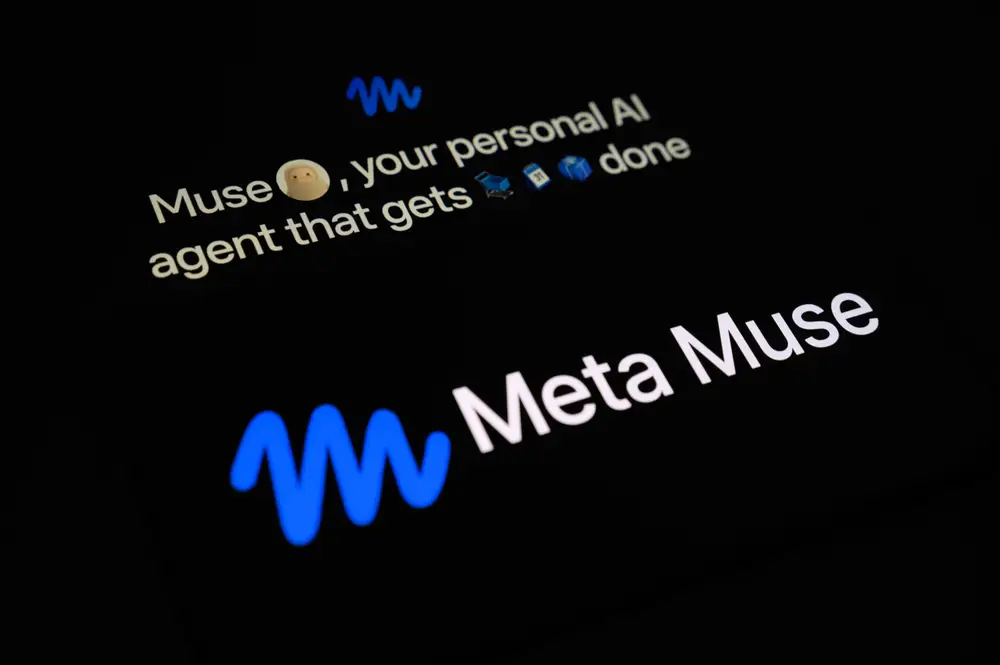
Meta has introduced Muse, an AI assistant designed to streamline daily tasks by connecting directly to your most sensitive personal information. Unlike traditional AI chatbots that operate in isolation, Muse requests permission to access your email accounts, payment methods, and health records to provide contextual, personalized assistance.
The app functions as a bridge between your fragmented digital life. Instead of manually pulling information from multiple platforms, Muse can theoretically search through your emails, review your credit card transactions, and cross-reference health data to answer questions or complete tasks you’d normally handle yourself.
This represents a significant shift in how AI assistants operate. Most AI tools today—ChatGPT, Claude, Gemini—work with only the text you provide in real-time. Meta’s Muse requires deeper integration, asking for permissions that would make many users pause before granting access.
Understanding the Permission Model Behind Meta Muse
When you first launch Muse, you’ll encounter a series of permission requests. The app asks for access to your email provider credentials, payment information stored in your digital wallet, and health data from fitness trackers or health apps you use.
Meta frames this as necessary for delivering personalized assistance. The company argues that without this access, Muse cannot answer questions like “How much did I spend on groceries last month?” or “What was my average heart rate during workouts last week?” These queries require the assistant to pull real data from your accounts rather than generate responses based on general knowledge.
The critical question users face: Does the convenience justify the risk? This permission model differs dramatically from how most mobile apps operate. Granting Muse this level of access means Meta’s servers potentially handle your authentication credentials and can query your personal information on your behalf.
You’re not forced to grant every permission. The app likely functions with limited features if you decline certain access requests, but the core appeal—having an AI that knows your financial and health patterns—requires you to share these sensitive categories.
Privacy Implications and Data Handling Concerns
The data access model raises legitimate privacy concerns that extend beyond typical app permissions. Email access could expose private correspondence, financial records, and communication patterns. Credit card access reveals your spending habits, merchant preferences, and geographic locations. Health data access shows medication use, medical conditions, and fitness routines.
Meta’s track record with user data doesn’t ease these concerns. The company has faced multiple regulatory fines and investigations related to how it handles personal information. In 2023 and 2024, Meta paid settlements totaling hundreds of millions of dollars for data handling violations.
When you grant Muse access to your data, you’re relying on Meta’s security infrastructure and data retention policies. The company says it uses encryption and doesn’t retain more data than necessary, but you’re still placing significant trust in their systems. A breach could expose not just your profile information, but your financial transactions and health records.
The app’s ability to access data also means Meta could, theoretically, analyze your spending patterns, health trends, and email content for targeting purposes. While Meta likely has contractual obligations against using assistant-accessed data for advertising, the mere access creates a potential conflict of interest.
Which Accounts and Services Does Muse Connect To?
Meta’s Muse integrates with major email providers including Gmail and Outlook. For payment data, it connects to credit cards linked through major financial institutions and digital payment platforms. Health integration works with popular fitness apps like Apple Health, Google Fit, and third-party trackers like Fitbit or Oura Ring.
The app uses OAuth-style authentication, which means you’re providing Muse permission through the original service (Google, your bank, etc.) rather than sharing passwords directly. This is technically more secure than handing over login credentials, though it still grants Meta’s servers the ability to query your accounts repeatedly.
Not all banks and financial institutions have integrated with Muse at launch. If your institution isn’t supported, you won’t be able to connect your primary credit cards or checking account. Similarly, some health apps may not be compatible with the app’s health data requests.
The available integrations will likely expand over time. Meta has financial incentive to partner with more services, which could mean broader coverage of your digital life within Muse over the coming months.
Practical Tips Before Granting Access to Muse
If you’re considering using Meta’s Muse, take several precautions before granting the app sweeping permissions. First, review Meta’s privacy policy specifically for Muse. Look for details about data retention, whether information is used for training AI models, and how long the company stores the data it accesses.
Second, consider which accounts and data types you actually need Muse to access. The app might work adequately with just email access, for instance, without needing your full financial history. Many users will find that granting partial permissions reduces risk while maintaining useful functionality.
Third, check your connected accounts regularly. After linking Muse, visit your email provider’s security settings, your bank’s connected apps page, and your health app’s permissions to verify what access you’ve granted. This gives you an audit trail and lets you revoke access quickly if needed.
Fourth, use a password manager to create a unique, strong password specifically for Muse if the app requires direct authentication. Never reuse passwords across accounts, especially for applications with broad data access permissions.
Finally, test Muse’s features with less sensitive information first. Before relying on it for financial queries, ask it something simple like “summarize my recent emails” to see how it functions and whether the convenience justifies the access you’ve granted.
Common Questions About Meta’s Muse App
Is Muse available on both iOS and Android? Muse launched on both platforms, though availability may vary by region. Check the iOS App Store or Google Play Store to see if it’s available in your country.
Does Muse cost money to use? Meta has not announced a subscription fee for Muse, though the company could introduce paid tiers or premium features in the future. Currently, the app appears to be free to download and use, with revenue likely generated through advertising or data insights rather than direct user payment.
Can you revoke Muse’s access to your data? Yes. You can remove Muse’s permissions through your email provider, bank, and health app settings at any time. Simply visit the connected apps or authorized applications section of each service and disconnect Muse. The app will lose access to that data immediately, though Meta may retain information it previously accessed depending on their data policies.
Next Steps: Testing Muse Safely
If you decide to try Meta’s Muse, start by granting access to just one or two data categories—perhaps email and a non-critical account. Use the app for a week and assess whether the personalized assistance genuinely saves you time and effort. If it doesn’t provide meaningful value, revoke the permissions and uninstall.
Watch for updates to Muse’s privacy policies and features. Meta will likely announce new integrations and capabilities over the coming months. Future versions might offer more granular permission controls or better transparency about how your data is being used, which could make the app a safer choice as it matures.